

Let me say something that might make your SEO agency uncomfortable: SEO is Dead.
The traffic game is broken.
Not slowing down. Not shifting. Broken.
I’ve been in this industry long enough to watch businesses spend tens of thousands chasing Google rankings — only to get traffic that never calls, never fills in a form, never buys. Just ghosts. Lots and lots of digital ghosts.
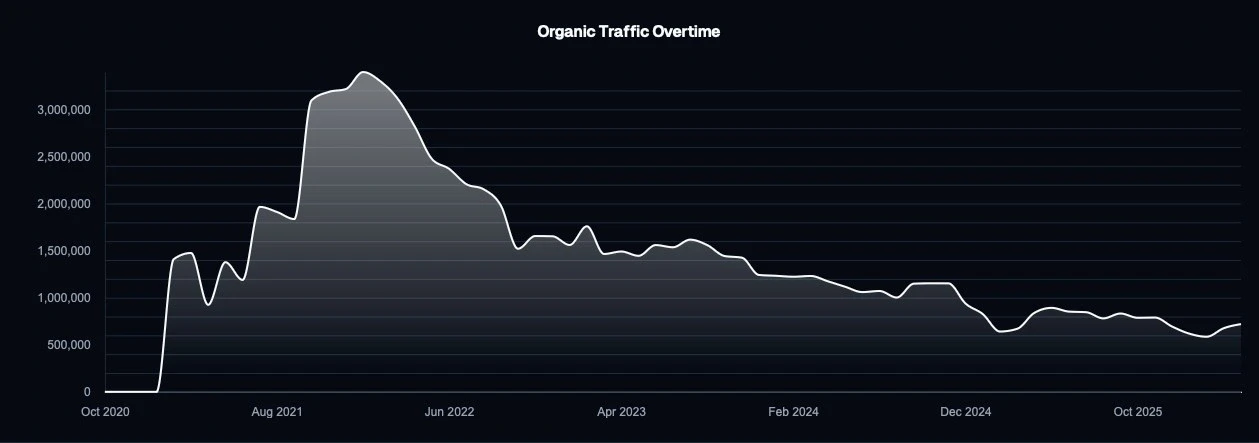
And now with AI doing the answering before anyone even clicks? Those ghost numbers are only going to get lonelier.
Here’s the truth no one selling you a monthly SEO retainer will say out loud: the old SEO is dead. And honestly — good riddance. Because what replaces it is something marketers should have been doing all along.
The Death Certificate — What Actually Killed SEO?
Let’s not be dramatic. SEO didn’t just fall off a cliff one morning. It’s been dying in stages.
Stage 1: Google answered your questions before you could.
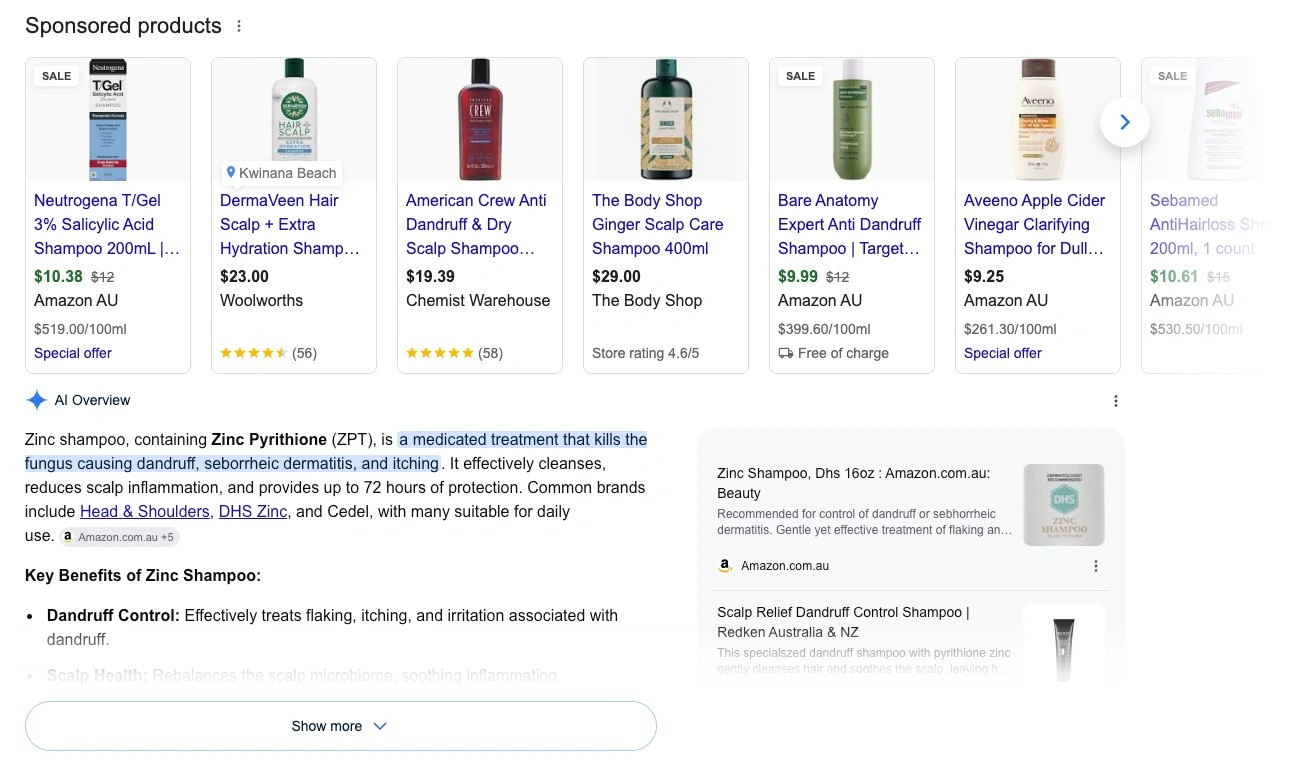
AI Overviews, Featured Snippets, Knowledge Panels — Google built a wall between your content and the click. Someone searches “what is B2B SEO,” Google summarises the top 10 articles into a paragraph, and the user never visits any of them. Zero-click searches now account for more than half of all Google searches. Your ranking #1 means nothing if no one arrives.
Stage 2: The audience moved to a different building.
Your buyers aren’t just Googling anymore. They’re asking ChatGPT. They’re browsing Perplexity. They’re watching a 90-second video on LinkedIn that gave them the answer you hid behind a 2,000-word blog post. The search engine isn’t just Google now — it’s everywhere, and it’s increasingly AI-powered.
Stage 3: The algorithm became a slot machine.
Google’s Helpful Content Update wiped out entire content businesses overnight. Companies that spent years building SEO-optimised articles woke up to a 60% traffic drop in a single month. No warning. No appeal process. Just gone. When your entire growth strategy lives on someone else’s platform, you’re not building — you’re renting.
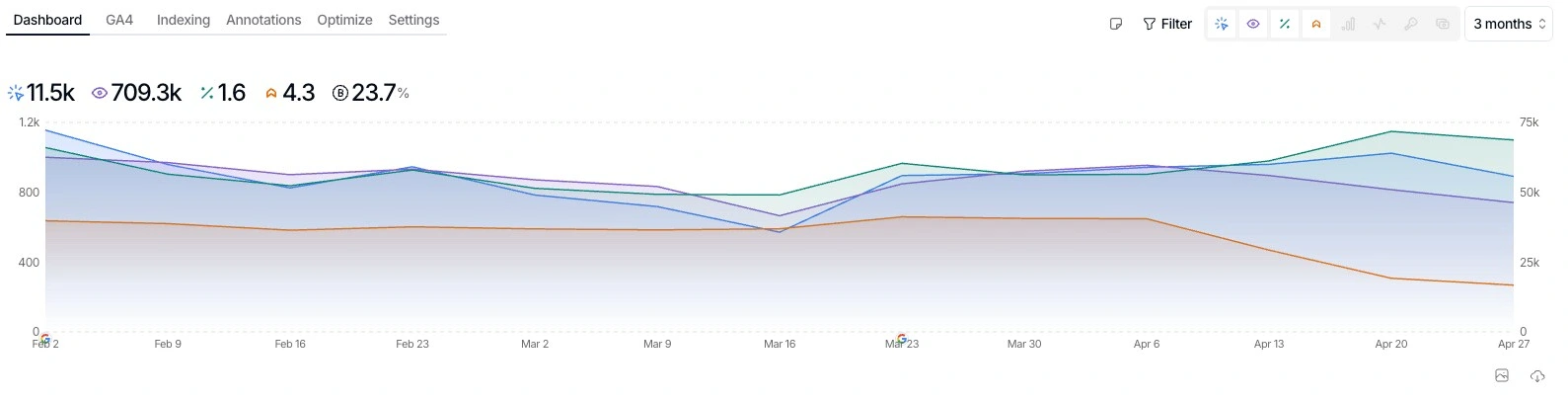
Stage 4: Traffic became a vanity metric no one wants to admit.
This is the one that really gets me. Businesses celebrating 100,000 monthly visitors with a conversion rate of 0.3%. That’s 300 enquiries from 100,000 people. Your neighbourhood mamak stall converts better than that.
The Old Metric Was Wrong Anyway
Here’s something I’ve been saying to clients for years. Traffic is not the goal. Attention is.
And attention without intent is just noise.
I’ll say it plainly:
It’s better to have one 100% interested prospect than one hundred 1% interested buyers.
I’ve written about this before in the context of corporate website traffic. The principle hasn’t changed — it’s just more urgent now.
The SEO industry sold you volume. What you actually needed was value.
A B2B website with 500 hyper-targeted visitors — procurement managers, CEOs, technical leads who are actively looking for what you sell — will always outperform a site with 50,000 passive scrollers who found you by accident, read one paragraph, and left.
Traffic rank is an ego metric. Revenue per visitor is the real one.
Back to Marketing Classics — Right Time, Right Place, Right CTA
Here’s where I’m going to ask you to forget everything the last decade of digital marketing taught you — and go back to the fundamentals.
Philip Kotler didn’t need a domain authority score. He didn’t need backlinks or keyword clusters. He talked about something far simpler and far more powerful: reach the right person, in the right place, at the right moment, with the right message.
We forgot that. We got drunk on dashboards.
Let’s go back to basics.
Right Time — This is about meeting the customer in their moment of need, not yours. Not when you publish the blog post. Not when you run the campaign. When they have a problem, when they are actively searching, when they are already leaning in. The best marketing feels like someone reading your mind. That’s timing.
Right Place — Where is your audience actually living right now? Not where they were two years ago. Not where your competitor is. Where are they? For B2B manufacturers and distributors in Malaysia, the answer might surprise you. It’s LinkedIn articles. It’s a WhatsApp group your prospect admin runs. It’s an industry-specific Facebook group. It’s a YouTube search for “how to choose an industrial chiller.” Find the real hangout, not the assumed one.
Right CTA — Stop asking for everything at once. Stop putting “Request a Quote,” “Subscribe to Newsletter,” “Download Ebook,” and “Contact Us” on the same page and wondering why no one does anything. One action. One moment. One decision. The best CTA is the one that feels like the obvious next step, not a commitment.
It’s Just Not Selling
If not SEO, Where Does Traffic Come From Now?
This is the part you came for. If not organic search, then what?
Here’s how I see the landscape reshaping — and where smart B2B businesses are already placing their bets.
1. Answer Engine Optimisation (AEO)
Forget ranking on Google’s page one. The new page one is inside the AI answer.
When someone asks ChatGPT or Perplexity “what’s the best B2B web design agency in Malaysia,” you want to be the name that surfaces. That doesn’t happen by accident. It happens when your brand is consistently cited across the web — in articles, directories, forums, and credible publications. It happens when your content is structured clearly enough for an AI to extract and trust.
Think of it as SEO, but for machines that are reading everything. Be the source. Be the reference. Be the answer.
2. Community-Led Growth — Dark Social is the New Organic
This one is underestimated. Massively.
The most valuable traffic today doesn’t show up in your Google Analytics. It comes from a recommendation in a WhatsApp group. A post shared in a private Facebook community. A Telegram channel your prospect follows. A Reddit thread where someone asked for a vendor recommendation.
This is “dark social” — traffic that’s untrackable, peer-driven, and extraordinarily high-converting because it carries trust.
You can’t buy your way into it. You earn it by being genuinely useful in the communities where your buyers hang out. Show up. Answer questions. Add value. Don’t pitch.
3. Personal Brand as the New SEO
Your buyers Google your company. But they also stalk your LinkedIn.
The founder, the director, the subject-matter expert — people follow people. A single LinkedIn post from a credible voice in your industry will drive more qualified traffic than a blog post sitting at position #7 for a long-tail keyword.
If you’re a B2B company and your leadership team has no visible online presence, you’re leaving serious credibility on the table. Build the face. Build the voice. The traffic follows.
4. Video as Top-of-Funnel Discovery
YouTube is the world’s second largest search engine. TikTok is how Gen Z (your future buyers) discover everything. Short-form video on LinkedIn is getting five times the reach of plain-text posts right now.
Video is no longer a “nice to have” content format. It’s a traffic source. A business that explains its product, its process, its expertise — on camera — is building searchability on a platform that Google hasn’t killed yet.
5. Email and Owned Audiences
The only channel the algorithm cannot touch.
A newsletter subscriber is ten times more valuable than a social media follower. You own the relationship. You control the timing. No feed, no algorithm, no shadow ban.
If you haven’t started building an email list, start now. Not a mass-blast list. A curated, opt-in audience of people who actually want to hear from you. That’s an asset that compounds over time — and nobody can take it from you.
6. Strategic Partnerships and Co-Marketing
Why build an audience from scratch when someone else has already gathered yours?
Podcast guesting. Co-written content. Referral partnerships. Speaking at an industry event. Being cited in someone else’s newsletter. These are all traffic strategies that piggyback on established trust.
A single guest appearance in a well-followed industry podcast can drive more qualified leads than three months of content marketing. Find who already has your audience’s ear — and get in that conversation.
7. The Paid + Organic Flywheel
Paid ads aren’t dead. They’re just being misused.
The old way: spray ads everywhere, hope someone buys. The new way: find your one piece of content that already converts organically, then put a small paid budget behind it to amplify the signal.
This isn’t spray-and-pray. It’s surgical. You’re not paying to find your audience. You’re paying to reach more of an audience you’ve already proven exists.
The New Metric — Stop Measuring Traffic, Start Measuring Attention Quality
Here’s what I’d ask you to track instead of raw traffic:
Are they staying? Time on page matters more than the visit itself. Are they acting? Form fills, DMs, calls, replies — these are real signals. Are they returning? Repeat visitors are a sign of genuine trust. Are they referring? Word of mouth is the highest-quality traffic that exists.
These are your Attention Quality signals. Build your reporting around these, and you’ll make far better decisions than the team celebrating 50,000 sessions with nothing to show for it.
Final Thought — The Shortcut Is Dead. The Strategy Isn’t.
SEO isn’t truly dead. What died is the shortcut version of it.
The businesses that built real authority — real expertise published consistently, real communities engaged genuinely, real brand positioning held over years — they’re not panicking. The algorithm updates didn’t destroy them because they were never just feeding the algorithm.
They were earning attention.
The ones in trouble today are the ones who were playing the game instead of building the brand. Keyword stuffing. Backlink schemes. Churning out AI-generated content by the thousands. They were renting, not owning.
The era of gaming the algorithm is over. The era of earning the right to someone’s attention has begun.
So here’s my challenge: audit your funnel — not your keywords. Look at where you’re losing attention, where you’re arriving too early or too late, and where your CTA is asking for too much from someone who barely knows you.
Fix the attention problem. The traffic will follow.